By midsummer, the tall grass along trails, sidewalks, and the edges of your own backyard has dried out and gone to seed. Tucked in those seed heads is one of the season's sneakiest hazards for dogs: foxtails. These barbed grass awns look harmless, but for dogs they can turn a normal walk into an emergency vet visit. If you spend warm-weather afternoons outside with your dog, understanding foxtails and dogs is worth a few minutes now — it can save you a painful, expensive problem later.
What Are Foxtails — and Why They're So Dangerous to Dogs
A foxtail is the dried seed head of certain wild grasses, named for its bushy, spiked shape. Each tiny seed carries a cluster of microscopic, backward-pointing barbs that work exactly like fishhooks. Once a foxtail catches in your dog's fur or skin, those barbs only let it travel one direction: forward, deeper into the body.
That one-way movement is what makes foxtails and dogs such a dangerous combination. As the veterinary team at the UC Davis School of Veterinary Medicine explains, a foxtail can't be dissolved or absorbed by the body, and it won't work its way back out on its own. Left alone, it can burrow through skin, migrate into tissue, and cause abscesses or serious infection. Foxtails are most common in the western United States but show up across much of the country, peaking from late spring through summer as grasses dry out.
Signs a Foxtail Is Stuck: What to Watch by Body Part
Foxtails tend to lodge wherever a dog brushes against grass, and the symptoms change depending on where one lands. According to veterinary resources including PetMD, the most common warning signs are:
- Paws and toes: sudden, persistent licking or chewing at one foot, a swollen bump between the toes, or a small weeping hole in the skin.
- Ears: abrupt, vigorous head shaking, tilting the head to one side, or pawing at an ear. A foxtail deep in the ear canal is often invisible from the outside.
- Nose: explosive, repeated sneezing that starts out of nowhere, sometimes with a spot of blood from one nostril.
- Eyes: squinting, heavy tearing, redness, and pawing at one eye — signs an awn may be lodged under the eyelid.
- Mouth and throat: gagging, a cough that won't quit, drooling, retching, or refusing food after time outdoors.
The tricky part is that these signs come on fast and can seem minor at first. A dog that suddenly won't stop licking a paw or shaking its head after a walk through dry grass deserves a close look the same day.
Should You Remove a Foxtail at Home?
Sometimes — but only in the clearest cases. You can try removing a foxtail yourself if it's sitting loose in the fur or on the surface of the skin, fully visible, and hasn't yet broken through. Use blunt-tipped tweezers, grip the foxtail at its base, and pull straight out in one smooth motion. Never twist, and never dig for one you can't fully see.
For anything else, go to your veterinarian, and don't wait. Foxtails in the ear, eye, nose, or under the skin almost always need professional removal, often with sedation — and the longer one stays put, the deeper it travels. A foxtail that's been inhaled can reach the lungs and cause pneumonia or worse, which is why a sudden, unexplained cough or relentless sneezing is a same-day veterinary issue, not a wait-and-see one. Catching these early keeps a quick office removal from becoming surgery.
How to Protect Your Dog From Foxtails
Prevention comes down to avoidance and inspection. Keep your dog out of overgrown, dried-out grassy areas during foxtail season, and mow or clear tall grass and weeds along your own fence line and yard edges. After every walk or hike, run your hands and a fine-toothed comb over your dog's coat, and check carefully between the toes and paw pads, inside and around the ears, under the belly, and around the face. Long-haired and feather-footed dogs benefit from a trim around the paws in summer, and protective dog boots help on trails where foxtails are thick.
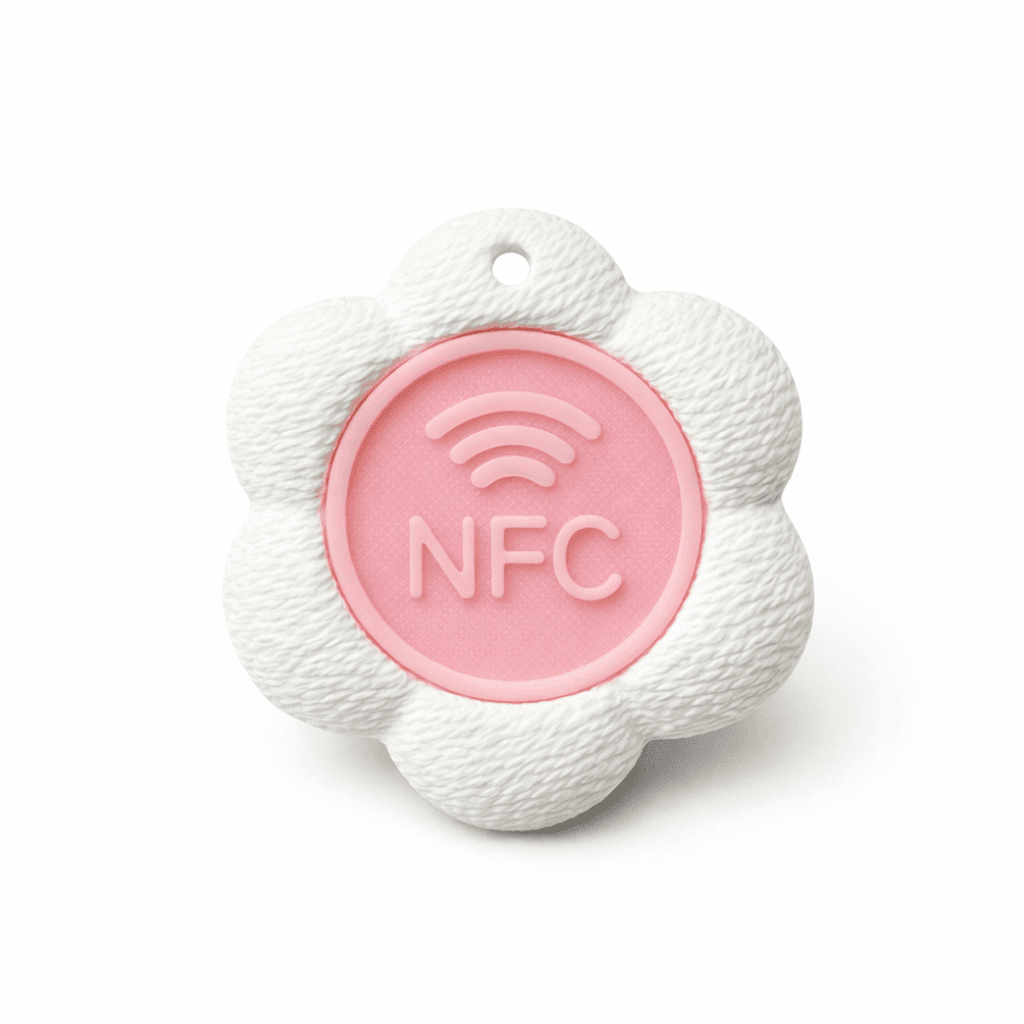
There's one more piece of warm-weather prep worth handling now. Summer is peak season for dogs slipping loose — a startled bolt on a trail, an open gate during a backyard barbecue, a door left ajar. If your dog ever gets away, fast identification is what gets them home. A Bloomtag NFC tag makes that instant: whoever finds your dog taps the flower-shaped tag with any smartphone — no app needed — and your contact page opens right away, with details you can update anytime. For more warm-weather tips, our summer dog safety guide covers the rest.
The Bottom Line
Foxtails are easy to overlook and surprisingly hard on dogs. Learn to spot the seed heads, keep your dog out of dry grass when you can, check them over after every outing, and call your vet early if something seems off — a foxtail problem only gets worse with time.
Want your dog covered on every summer adventure? Get a Bloomtag — $24.99 one-time, no subscription, free worldwide shipping. One tap with any phone, and whoever finds your dog reaches you in seconds.
This article was written with AI assistance and reviewed for accuracy against veterinary sources including the UC Davis School of Veterinary Medicine and PetMD. It is general information, not a substitute for professional veterinary advice — if you suspect a foxtail injury, contact your veterinarian.