Warmer days mean more time outside with your dog — beach trips, hikes, backyard hangouts, and long evening walks. But summer also brings the season's biggest risks for dogs: heatstroke, scorched paws, dehydration, and the simple fact that an open back door or unlatched gate can turn a perfect afternoon into a frantic search. These summer dog safety tips for 2026 will help you stay ahead of the most common (and most preventable) hot-weather problems.
Watch the Heat — and Know the Warning Signs
Dogs cool themselves mostly by panting, which is far less efficient than human sweating. Once the air temperature climbs past about 85°F (29°C), even a short walk can become risky for short-nosed breeds, seniors, and overweight dogs. By 90°F (32°C) and humid, almost any dog can overheat in under 30 minutes of activity.
Heatstroke warning signs to memorize:
- Heavy, frantic panting that doesn't slow when your dog stops moving
- Bright red gums or tongue
- Thick, sticky drool
- Wobbling, stumbling, or sudden weakness
- Vomiting or diarrhea
If you see any of these, move your dog to shade, offer cool (not ice-cold) water, and wet their belly, paws, and ears with cool water. Then call your vet — heatstroke can damage organs hours after the obvious symptoms fade.
Test the Pavement Before You Walk
Asphalt and concrete can hit 130°F (54°C) on a 90°F day — hot enough to burn paw pads in under a minute. Use the seven-second rule: press the back of your hand to the pavement and hold it there. If you can't keep it down for seven full seconds, it's too hot for your dog's feet.
Better summer walking habits:
- Shift walks to early morning or after sunset
- Stick to grass, dirt trails, or shaded sidewalks
- Carry collapsible water and offer it every 10–15 minutes
- Skip the midday "quick potty walk" — backyard breaks are safer
If your dog already has burns (red, peeling, or blistered pads), wrap them in a damp cloth and head to the vet.
Never Leave Your Dog in a Parked Car
It bears repeating because it still happens every summer. On a 75°F (24°C) day, a parked car hits 100°F (38°C) in 10 minutes and 120°F (49°C) in 30 minutes. Cracked windows make almost no difference. If you can't take your dog inside with you, leave them home.
Plan for the "Door Dash" — Summer Is When Dogs Go Missing
More dogs are reported lost between Memorial Day and Labor Day than any other stretch of the year. Why? Open windows, propped doors during cookouts, fireworks (Fourth of July is the single worst day for runaway dogs), unfamiliar Airbnb backyards, and gates left open by guests. Even the calmest dog can spook and bolt.
A modern ID system has three layers:
- Microchip — permanent, but only useful if your dog reaches a vet or shelter that scans
- Visible tag — so any neighbor or stranger can contact you in seconds
- A way to update info instantly if you travel or move
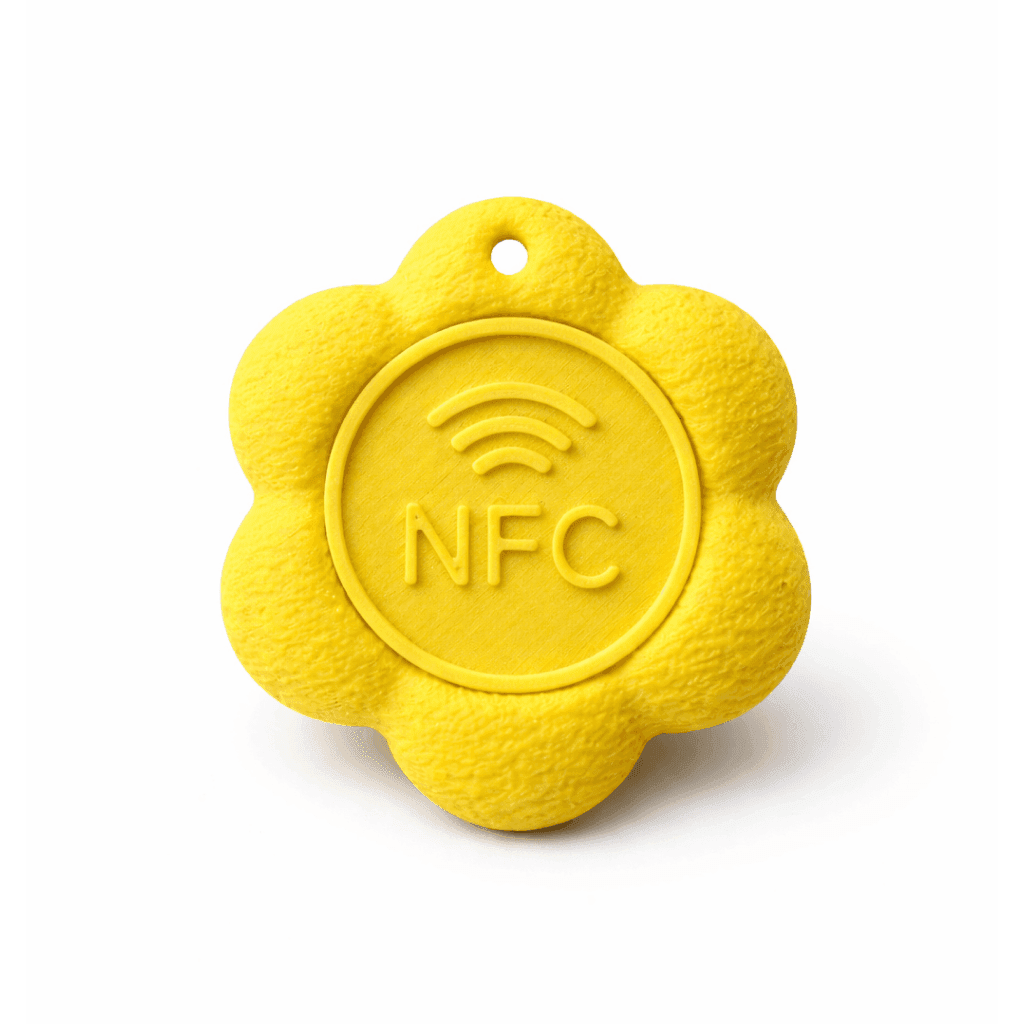
This is where a smart NFC tag earns its keep. A Bloomtag is a flower-shaped NFC pet tag that any modern smartphone can tap to instantly open your contact page — no app, no subscription, no engraving to wear off. Update your phone number from a hotel room and the tag updates with you. It's a one-time $24.99 purchase with free worldwide shipping, and it comes in five colors so it actually looks good on a summer collar.
Hydration, Sunscreen, and the Stuff People Forget
A few extra summer essentials:
- Water everywhere. A second bowl outside, a collapsible bowl in the car, and one in your hiking pack. Dogs need roughly an ounce of water per pound of body weight per day, more when active.
- Shade that moves. A tree at noon may not be a tree at 3 p.m. Check that your dog's outdoor area stays shaded all afternoon.
- Sunscreen for pink noses and bellies. Pet-safe only — never zinc oxide.
- Bug protection. Talk to your vet about flea, tick, and heartworm coverage before peak mosquito season.
- Watch the water. Not every dog is a strong swimmer, and blue-green algae blooms in warm ponds can be fatal within hours.
Quick Summer Safety Checklist
Before any summer outing, run through this:
- Is the pavement cool enough?
- Do I have water for both of us?
- Is my dog wearing a tag with current contact info?
- Will there be shade where we're going?
- Am I home before peak heat (usually 11 a.m. to 4 p.m.)?
Five seconds of checking can prevent a vet bill — or a missing-dog poster.
Summer should be the best season of the year for you and your dog, not the most stressful. The biggest risks — heatstroke, burned paws, and a dog slipping through an open door — are also the most preventable. Make sure your dog's ID is ready for whatever the season brings: grab a Bloomtag for $24.99 with free worldwide shipping, and head into summer knowing that if anything ever happens, a stranger is one tap away from getting your dog back to you.