Every autumn someone tops off a radiator in the driveway, a little green liquid runs toward the gutter, and a dog walks past. Antifreeze poisoning in dogs is seasonal for exactly that reason: the Merck Veterinary Manual notes that in colder climates most cases cluster in fall, winter, and early spring. It is also a poisoning where the timeline matters more than the dose, because the antidote only works for a few hours and the dog often looks better right as it is getting worse.
Why Antifreeze Poisoning in Dogs Is a Race Against the Clock
Ethylene glycol, the main ingredient in most automotive antifreeze, tastes sweet and the lethal dose is tiny. Merck's pet-owner guide, written by Dr. Gregory Grauer of Kansas State University's College of Veterinary Medicine, puts it at as little as three to four teaspoons for a dog. The liquid itself is not what does the damage; the body breaks it down into acids and calcium oxalate crystals that shut the kidneys down.
That mechanism is why treatment is a race. Pet Poison Helpline lists only two antidotes, ethanol and fomepizole (4-MP), and both work by blocking the enzyme that converts ethylene glycol into its toxic byproducts. Once the kidneys are injured, there is nothing left to block. The Helpline's veterinary team, writing for PetMD in a piece reviewed by toxicologist Dr. Renee Schmid, says the prognosis is good when treatment starts within eight hours of ingestion and declines sharply after that.
The Three Stages, and the One That Fools Owners
Stage one begins 30 minutes to 12 hours after ingestion and looks like drunkenness: stumbling, drooling, vomiting, and unusually heavy drinking and urinating. If you did not see the dog get into anything, these signs are easy to blame on a bad stomach.
Stage two is the trap. About 12 hours in, Merck notes, dogs may appear to briefly recover. The wobbling fades, the vomiting stops, and the owner who was about to drive to the emergency clinic decides to wait until morning. Underneath, according to Pet Poison Helpline, the heart rate climbs and dehydration sets in while crystals form in the kidneys.
Stage three, 36 to 72 hours after ingestion, is kidney failure: no appetite, severe lethargy, seizures, coma. Merck is blunt that the outlook at this point is poor. The rule that follows is simple: if your dog seemed drunk and then seemed fine, call anyway.
"Bitter" Antifreeze Is Not Safe Antifreeze
Many owners believe this problem was solved years ago. In December 2012, antifreeze manufacturers agreed with the Humane Society Legislative Fund to add a bittering agent, denatonium benzoate, to consumer antifreeze sold in all 50 states, according to AVMA News. The HSLF estimated at the time that at least 10,000 animals a year were being poisoned.
The AVMA supported the change, but its own policy language describes the goal as making ethylene glycol less palatable, not less toxic. A dog lapping a driveway puddle swallows before the taste registers, and three or four teaspoons is a few laps for a Labrador. Fourteen years on, Pet Poison Helpline's antifreeze page, updated in 2026, still names radiator coolant as the primary source of the poisonings it handles. If you are buying antifreeze this fall, Merck suggests a propylene glycol formula: still toxic, but far less so, and without the sweet taste that draws dogs in.
Where Dogs Actually Find Antifreeze
The garage floor is the obvious spot, but not the only one. Pet Poison Helpline also lists windshield de-icer, brake fluid, some wood stains and paints, and, from its Minnesota staff, a recurring winter case: dogs drinking from cabin toilets filled with antifreeze to keep the pipes from freezing. ASPCA Animal Poison Control adds the bases of portable basketball hoops and some imported snow globes, which can crack and leak.
Your fall checklist, per Merck: store antifreeze where a dog cannot reach it, dispose of old fluid rather than leaving it in an open pan, wipe up leaks immediately, then cover the spot with cat litter or sawdust so nothing is left to lick.
What to Do, and What to Tell the Vet
If you suspect any exposure, call your veterinarian, Pet Poison Helpline at (855) 764-7661, or ASPCA Animal Poison Control at (888) 426-4435 immediately. Do not wait for symptoms and do not induce vomiting on your own. Bring the container if you have it; the concentration matters, as with any suspected poisoning.
Then tell the vet everything you know about timing and location, because diagnosis is harder than most owners assume. ASPCA's toxicologists note that the telltale crystals show up in urine in only about 40 percent of cases, and the gold-standard blood test is run at a human hospital lab, ideally one to six hours after exposure. A sentence like "he was stumbling near the driveway around six" is often what steers a vet toward testing for ethylene glycol instead of treating a stomach bug.
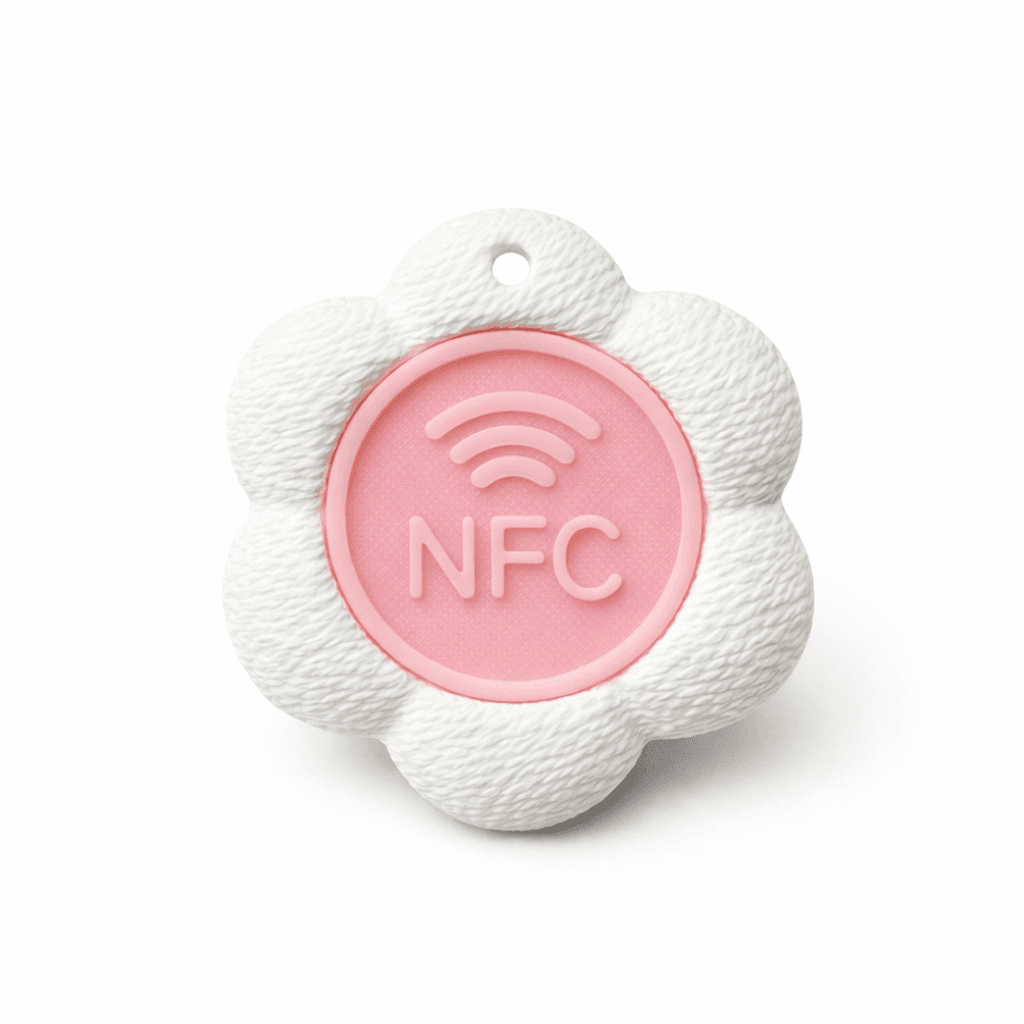
That is also why the dogs at greatest risk are the ones nobody is watching. A dog that slipped the yard and wandered three driveways over has no one to report what it drank. If a neighbor finds your dog wobbling by their garage, they are holding the one clue your vet needs, and the eight-hour clock is already running. A Bloomtag on the collar means they tap it with their phone, your contact page opens, and you hear "he was staggering by my car" within minutes instead of after the shelter opens on Monday.
The Bottom Line on Antifreeze Poisoning in Dogs
Two numbers matter: three to four teaspoons can be lethal, and the antidote works best within eight hours. Bitter additives did not make coolant safe, the 12-hour recovery is an illusion, and the vet cannot test for what nobody tells them about. Clean up spills, switch to propylene glycol if you can, and call the moment you suspect a lick.
If your dog's tag still shows an old number, fix that before the first frost. Get a Bloomtag: a flower-shaped NFC tag that opens your contact page with one tap of any smartphone. $24.99 one-time, no subscription ever, free worldwide shipping.
This article was written with AI assistance and reviewed for accuracy against authoritative sources, including the Merck Veterinary Manual (Dr. Gregory F. Grauer, DVM, MS, DACVIM, Kansas State University), Pet Poison Helpline (Dr. Renee Schmid, DVM, DABT, DABVT), ASPCA Animal Poison Control Center, and the American Veterinary Medical Association. It is general guidance, not a substitute for advice from your veterinarian or an animal poison control line.