Taking your dog along on a road trip or vacation is one of the best parts of being a dog owner. But traveling with a pet takes more planning than just tossing a leash in the back seat. Whether you're heading to the beach, visiting family, or exploring a new city, a little preparation goes a long way toward keeping your dog safe and comfortable on the road.
Here's a practical checklist to help you plan your next trip with confidence.
Make Sure Your Dog's ID Is Up to Date
This is the single most important thing you can do before any trip. Dogs are far more likely to slip away in unfamiliar environments — new smells, open doors, crowded rest stops. If your dog gets loose 300 miles from home, a stranger who finds them needs a fast way to reach you.
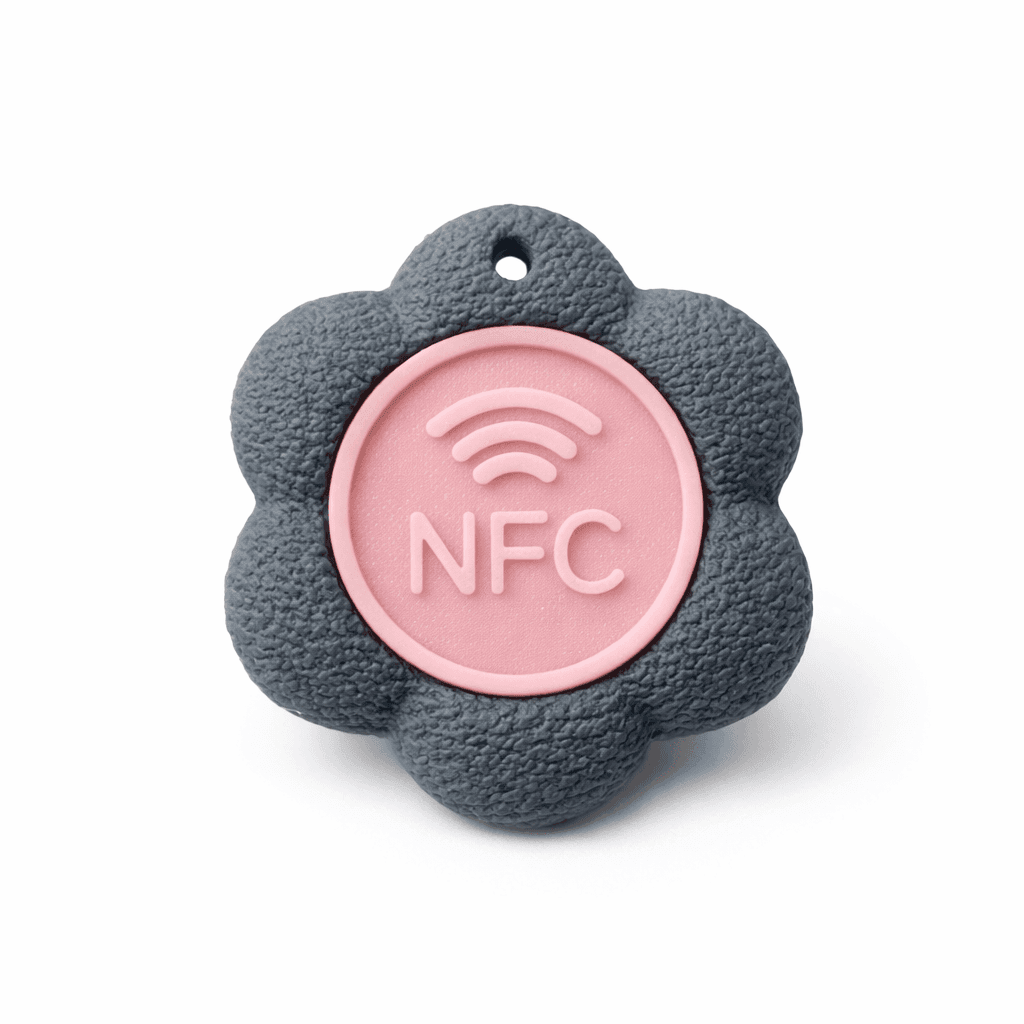
At a minimum, your dog should wear a collar with current contact information. Traditional engraved tags work, but the details can wear off over time or become hard to read. Newer options like Bloomtag use NFC technology — anyone who taps the tag with their smartphone instantly sees your contact page, no app required. That kind of speed matters when your dog is lost in an unfamiliar place.
If your dog is microchipped, double-check that the registration info is current before you leave. A chip is a great backup, but it requires a vet or shelter visit to scan — a visible, readable tag is still your first line of defense.
Secure Your Dog in the Vehicle
A loose dog in a moving car is a safety risk for everyone. In a sudden stop, an unrestrained 60-pound dog becomes a projectile. Even calm dogs can panic during sharp turns or unexpected braking.
Use a crash-tested harness that clips into the seatbelt system, or a well-ventilated crate secured in the cargo area. Both options keep your dog contained while still allowing them to sit or lie down comfortably. Avoid letting your dog ride in the front seat — airbags are designed for humans and can seriously injure a pet.
And it should go without saying, but never let your dog ride in the bed of an open truck. It's one of the leading causes of pet travel injuries.
Pack the Right Supplies
You wouldn't travel without your essentials, and your dog shouldn't either. Here's what to bring:
- Food and water. Pack enough of your dog's regular food for the entire trip plus an extra day or two. Switching food abruptly can cause stomach upset — the last thing you want on a long drive. Bring a portable water bowl and refill it at every stop.
- Medications. If your dog takes any daily meds, bring more than you think you'll need. Delays happen.
- Comfort items. A familiar blanket or toy can help reduce anxiety in new environments.
- Waste bags and cleaning supplies. Be a responsible guest wherever you go.
- Vet records. Carry a copy of vaccination records, especially rabies. Some hotels, campgrounds, and state parks require proof.
Plan for Regular Breaks
Dogs need to stretch, sniff, and relieve themselves just like you do. Stop every two to three hours for a proper break — let your dog walk around on a leash, drink some water, and burn off restless energy.
Rest stops and gas stations can be hectic, so keep a firm grip on the leash. These are exactly the kinds of places where dogs bolt after a squirrel or get startled by a truck. A short, controlled walk in a grassy area away from traffic is ideal.
Never Leave Your Dog in a Parked Car
Even on a mild 70°F day, the temperature inside a closed car can hit 104°F in just 30 minutes. Cracking the windows barely helps. Heatstroke can set in quickly and can be fatal.
If you need to make a stop where dogs aren't allowed, one person should stay with the dog in the running, air-conditioned car — or leave your dog at your accommodation. There's no errand worth the risk.
Research Pet-Friendly Stops and Stays
Not every hotel, restaurant, or park welcomes dogs. Do your homework before you go. Apps and websites dedicated to pet-friendly travel can help you find accommodations, outdoor dining spots, and off-leash areas along your route.
Call ahead to confirm pet policies, especially for hotels. Some charge extra fees, limit dog size, or restrict pets to certain rooms. Knowing this in advance saves you from scrambling at 10 PM with a tired dog in the back seat.
The Bottom Line
Traveling with your dog should be fun — not stressful. The key is preparation. Update your dog's ID, secure them properly in the car, pack what they need, and plan your route with pet-friendly stops in mind.
A little effort before you hit the road means you can focus on what matters: making great memories with your dog.
Ready to upgrade your dog's travel ID? Check out Bloomtag's NFC pet tags — one tap from any smartphone and your contact info appears instantly. No app, no subscription, no hassle.