Your heart drops. The gate was open, the leash slipped, or somehow your dog just vanished. If your dog is lost right now, take a breath. The next few hours matter most, and a clear plan makes all the difference. Here's exactly what to do — step by step — to bring your dog home.
Search the Immediate Area First
Most lost dogs are found within a two-mile radius of where they went missing. Before you do anything else, walk and drive the surrounding streets, calling your dog's name in a calm, upbeat voice. Bring their favorite treats or a squeaky toy — familiar sounds carry surprisingly far.
Check hiding spots dogs gravitate toward: under porches, inside open garages, behind dumpsters, and in dense bushes. Dogs that are scared tend to hunker down rather than keep running, so look low and look carefully. Ask every person you see. Knock on doors. Many lost dogs are sitting in a neighbor's backyard within the first hour.
If you have another dog in the household, bring them along. A familiar scent and a friendly bark can coax a hiding dog out faster than anything else.
Alert Shelters, Vets, and Your Community
Time is critical here. Call every animal shelter and veterinary clinic within a 15-mile radius. Don't just phone once and assume they'll call back — shelters process dozens of animals daily, so check back in person every other day.
File a lost pet report with your local animal control and police department. Many municipalities require finders to report stray dogs to authorities, so having an active report on file increases your chances.
Go digital at the same time. Post a clear, recent photo of your dog on Nextdoor, local Facebook lost-pet groups, and Petco Love Lost (a free photo-matching service that scans shelter databases nationwide). Include your dog's name, breed, color, size, any distinguishing marks, and your phone number — directly on the image so it stays attached when people share the post.
Put Up Flyers the Right Way
Physical flyers still work incredibly well. Use a large, high-contrast photo of your dog — one image that shows their face clearly. Keep the text simple: "LOST DOG," your dog's name, the area they went missing, your phone number in large font, and one identifying detail like "has a scar on left ear" or "wearing a red collar."
Post flyers at intersections, dog parks, veterinary offices, pet supply stores, and community bulletin boards. Laminate them or slip them into plastic sleeves if rain is in the forecast. The more visibility, the better — people notice a flyer at the spot where they walk every morning.
Why the First 24 Hours Matter Most
According to the ASPCA, dogs with ID tags or microchips are returned to their owners at dramatically higher rates than those without identification. A microchipped dog brought to a shelter is roughly three times more likely to be reunited with their family compared to one with no chip.
But here's the thing most people overlook: a microchip only works when someone brings your dog to a vet or shelter to be scanned. A visible, readable ID tag works the moment any person — a jogger, a kid, a delivery driver — spots your dog. That instant connection between the finder and you is often what gets dogs home within hours instead of days.
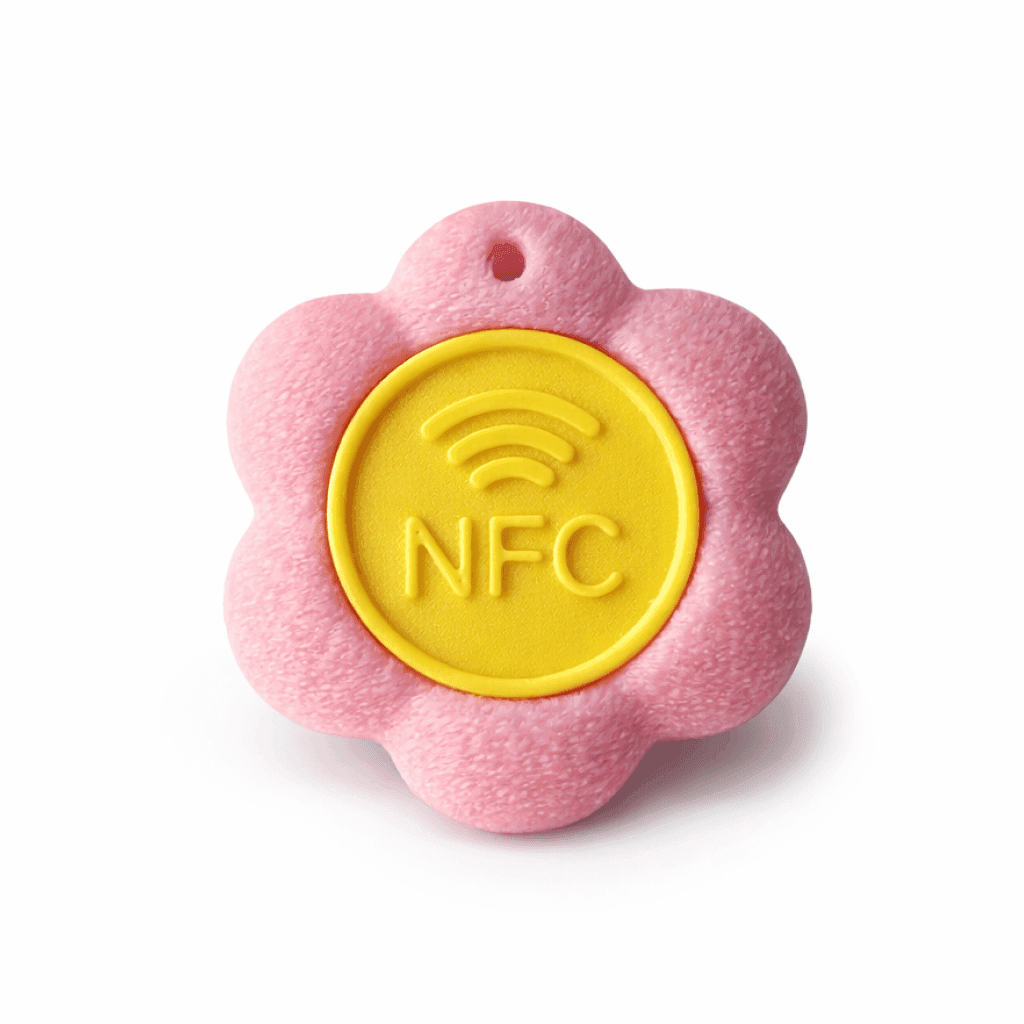
This is where modern smart tags have changed the game. An NFC pet tag like Bloomtag lets anyone tap their smartphone against the tag to instantly pull up your contact information — no app download, no squinting at tiny engraved text. It works the moment a stranger finds your dog, which is exactly when speed matters most.
Prevent It From Happening Again
Once your dog is safely home (and they will be — most lost dogs are found), take steps so you never go through this again. A solid prevention plan has three layers:
Physical barriers. Audit your yard for gaps in fencing, broken gate latches, and spots where a determined digger could tunnel out. Even a six-foot fence needs a check-up once a season.
Training reinforcement. Practice recall commands regularly, especially in distracting environments. A dog with a rock-solid "come" command is far less likely to bolt and far more likely to return quickly if they do.
Reliable identification. This is your safety net. Combine a registered microchip with a visible ID tag that anyone can read or scan on the spot. The best ID tag is one that makes it effortless for a stranger to reach you — because the person who finds your dog probably isn't going to drive to a vet to check for a chip. They're going to look at the tag.
Bring Them Home
Losing a dog is terrifying, but the odds are genuinely in your favor when you act fast and cover all your bases. Search immediately, alert your community, put up flyers, and make sure your dog is always wearing identification that works without any extra steps.
If your dog's current tag is scratched, faded, or hard to read, today is a good day to fix that. A tag that works instantly — one tap, full contact info — could be the difference between a scary afternoon and a real crisis. Check out Bloomtag for a smarter, tap-to-connect pet tag that keeps your info just one smartphone tap away.
Your dog is counting on your phone number being readable. Make sure it is.