Every year, the days around Independence Day quietly become the worst stretch of the calendar for dog owners. Backyard barbecues, open gates, houseguests coming and going, and the boom of fireworks after dark add up to a perfect storm. The result is predictable and heartbreaking: a July 4th lost dog. The good news is that almost every one of these escapes is preventable, and a few simple steps now make the difference between a scary night and a quiet one. Here's why it happens and exactly how to keep your dog home — or get them back fast if they bolt.
Why July 4th Is the #1 Day for a Lost Dog
This isn't a myth or marketing line. National shelter data backs it up. According to Shelter Animals Count, which aggregates intake numbers from thousands of U.S. shelters, July 5 ranked as the single highest stray-dog intake day of the year from 2021 through 2023 — the morning after the fireworks, when shelters fill with the dogs who ran the night before.
The reason is biology, not bad behavior. Fireworks are loud, sudden, and impossible for a dog to predict. For a frightened animal, the noise triggers a full fight-or-flight response, and flight usually wins. A dog in that state isn't thinking about the fence or the road — it's simply trying to escape the sound. Even calm, well-trained dogs who have never tried to leave the yard will dig, jump, or squeeze through gaps they'd normally ignore.
How to Prevent a July 4th Lost Dog
Prevention comes down to removing the chances to escape and lowering the panic. Start with the environment well before dusk on the 4th:
- Bring your dog inside before dark. Don't rely on the yard, even a fenced one. Most fireworks-night escapes happen from backyards.
- Create a safe retreat. Set up an interior room away from windows, with a crate or bed, familiar toys, and background noise from a TV, fan, or white-noise machine to muffle the booms.
- Close up the house. Shut windows, lower blinds, and lock doors and gates. Brief any guests that the dog stays in and the door stays closed.
- Walk and feed early. Get exercise and the last potty break done in daylight, before neighborhood fireworks start.
- Skip taking your dog to the show. Crowds, grills, and explosions are overwhelming. Your dog is far safer at home.
For dogs with serious noise anxiety, talk to your veterinarian ahead of the holiday — there are calming aids and, in some cases, prescription options that work best when planned in advance. For the full calming playbook, see our guide on keeping dogs safe during fireworks.
The Most Overlooked Step: Up-to-Date ID
Here's the hard truth about lost dogs: prevention isn't perfect, and how a runaway gets home depends almost entirely on identification. The American Veterinary Medical Association cites research showing microchipped dogs are returned to their owners far more often than dogs without a chip — but a microchip only works if a shelter or vet scans it and your registered contact details are current.
That's the gap that strands so many dogs. The neighbor two streets over who finds your dog wandering at 11 p.m. can't read a microchip — only a shelter or clinic with a scanner can. Visible ID is what turns a finder into a rescuer on the spot, letting whoever catches your dog reach you immediately, without a scanner, a trip to the shelter, or a wait for business hours.
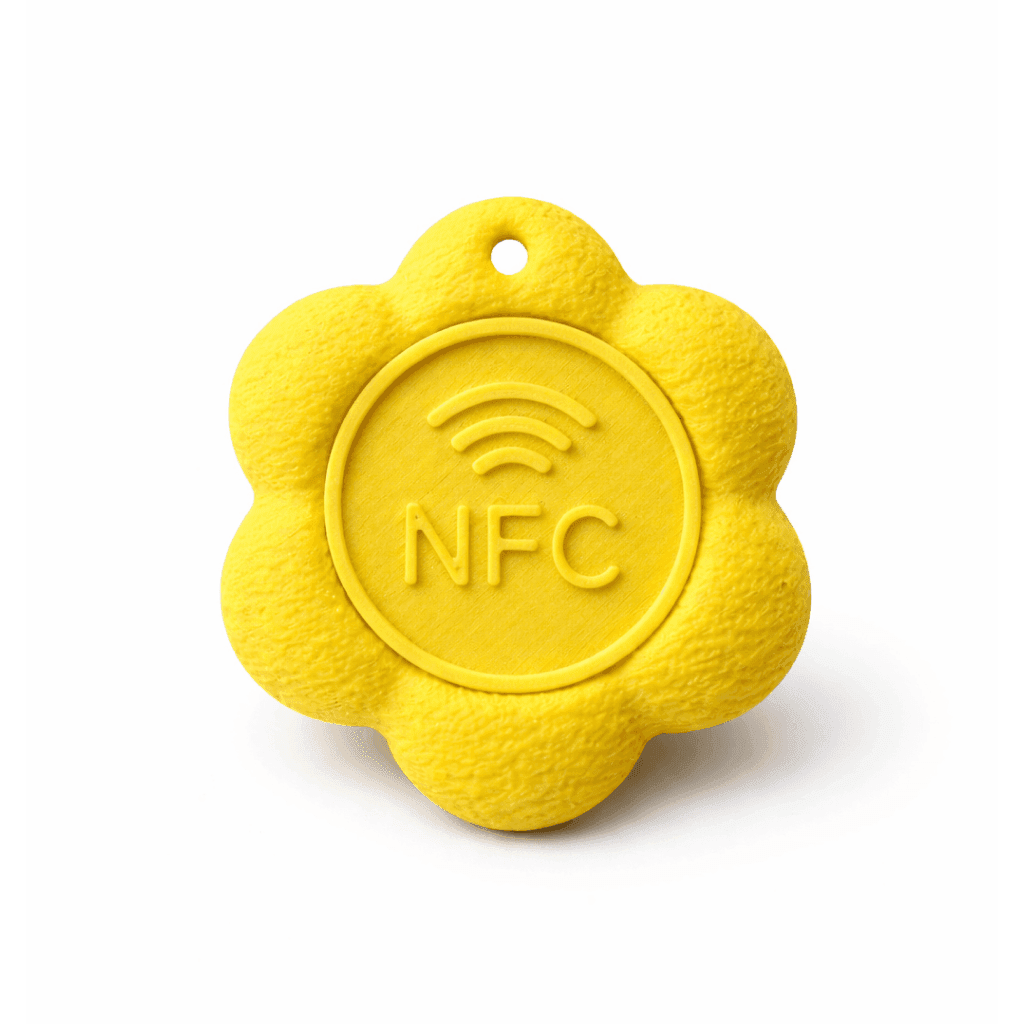
This is exactly where an NFC tag earns its place. A Bloomtag NFC tag lets anyone who finds your dog tap the flower-shaped tag with any smartphone — no app to download — and your contact page opens instantly. Because it's a digital page, you can update your phone number or add a note ("anxious, please call before approaching") in seconds, so the information is never stale. For a holiday when your dog is statistically most likely to slip away, fast, scannable-by-anyone ID is the single best backup plan you can have.
If Your Dog Does Get Out: Act Fast
Speed matters most in the first few hours. If your dog goes missing on the 4th:
- Search nearby first, calmly. Frightened dogs often hide close to home. Bring a leash and high-value treats, and avoid chasing — kneel and call softly instead.
- Call and visit local shelters and animal control. Remember July 5 is their busiest intake day; check in person and file a found-report, because descriptions get missed.
- Post immediately online. Use neighborhood apps, local lost-pet Facebook groups, and Nextdoor with a clear, recent photo. Our lost-dog poster guide covers what actually works.
- Notify your microchip registry and confirm your contact info is correct so any scan reaches you.
The Bottom Line
A July 4th lost dog is one of the most common — and most preventable — emergencies a dog owner can face. Keep your dog indoors and calm before the fireworks start, secure every door and gate, and make sure the ID on their collar is current and easy for a stranger to use. Do that, and you turn the scariest night of the year into an ordinary one.
Want your dog covered before the fireworks start? Get a Bloomtag — $24.99 one-time, no subscription, free worldwide shipping. One tap with any phone, and whoever finds your dog reaches you in seconds.
This article was written with AI assistance and reviewed for accuracy against authoritative sources including Shelter Animals Count and the American Veterinary Medical Association. It is general information, not a substitute for professional veterinary advice — for noise anxiety or calming medications, consult your veterinarian.