Every dog owner knows the heart-stopping moment: the front door swings open a second too long and your dog bolts. According to the ASPCA, roughly one in three pets will go missing at some point in their lives. The good news? Most escapes are preventable. Here are seven proven ways to stop your dog from running away — and make sure they get home fast if they ever do.
Why Dogs Run Away in the First Place
Before you can fix the problem, it helps to understand what's driving it. Dogs escape for a handful of common reasons: boredom, fear (especially during fireworks or thunderstorms), the urge to mate if they aren't spayed or neutered, prey drive when they spot a squirrel or rabbit, or simple curiosity about what's on the other side of the fence. Identifying your dog's specific trigger makes every other step on this list more effective.
Secure Your Yard and Entry Points
Physical barriers are your first line of defense. Walk your fence line regularly and check for gaps, loose boards, or spots where your dog could dig underneath. For determined diggers, burying chicken wire along the base of the fence works well. Make sure gates latch securely — a spring-loaded latch is a cheap upgrade that pays for itself the first time a delivery driver forgets to close the gate. Inside the house, baby gates near front and back doors create an airlock effect that buys you a critical extra second.
Invest in Recall Training
A rock-solid recall is the single most valuable skill your dog can learn. Start in a low-distraction environment like your living room, use a consistent cue word (not just their name), and reward generously every single time they come back. Gradually increase distance and distractions over weeks, not days. If your dog has already learned that ignoring you is an option, consider working with a certified trainer to rebuild the behavior from scratch. Never punish a dog for coming back to you, even if they ran off first — that only teaches them that returning is a bad idea.
Spay or Neuter Your Dog
Unaltered dogs are significantly more likely to escape. Studies suggest intact males are up to 90% more likely to roam than neutered males, driven by hormones that make the scent of a dog in heat almost impossible to resist. Spaying or neutering removes that hormonal pull and is one of the simplest long-term solutions for chronic escape artists.
Burn Off Excess Energy Every Day
A tired dog is a well-behaved dog. Many escapes happen simply because a bored, under-exercised dog goes looking for something to do. Aim for at least 30 to 60 minutes of physical activity per day — walks, fetch, swimming, or off-leash play in a secure area. Mental enrichment matters just as much: puzzle feeders, training sessions, and sniff walks all help satisfy your dog's need for stimulation without them having to find it on their own terms.
Manage Noise and Storm Anxiety
Noise phobia is one of the top triggers for escape attempts. More dogs go missing on the Fourth of July and New Year's Eve than almost any other time of year. During storms or fireworks, keep your dog in an interior room with windows closed, play white noise or calming music, and consider a pressure wrap like a ThunderShirt. For severe cases, talk to your vet about anti-anxiety medication — there's no shame in giving your dog a little pharmaceutical help during genuinely scary situations.
Make Sure Your Dog Always Carries ID
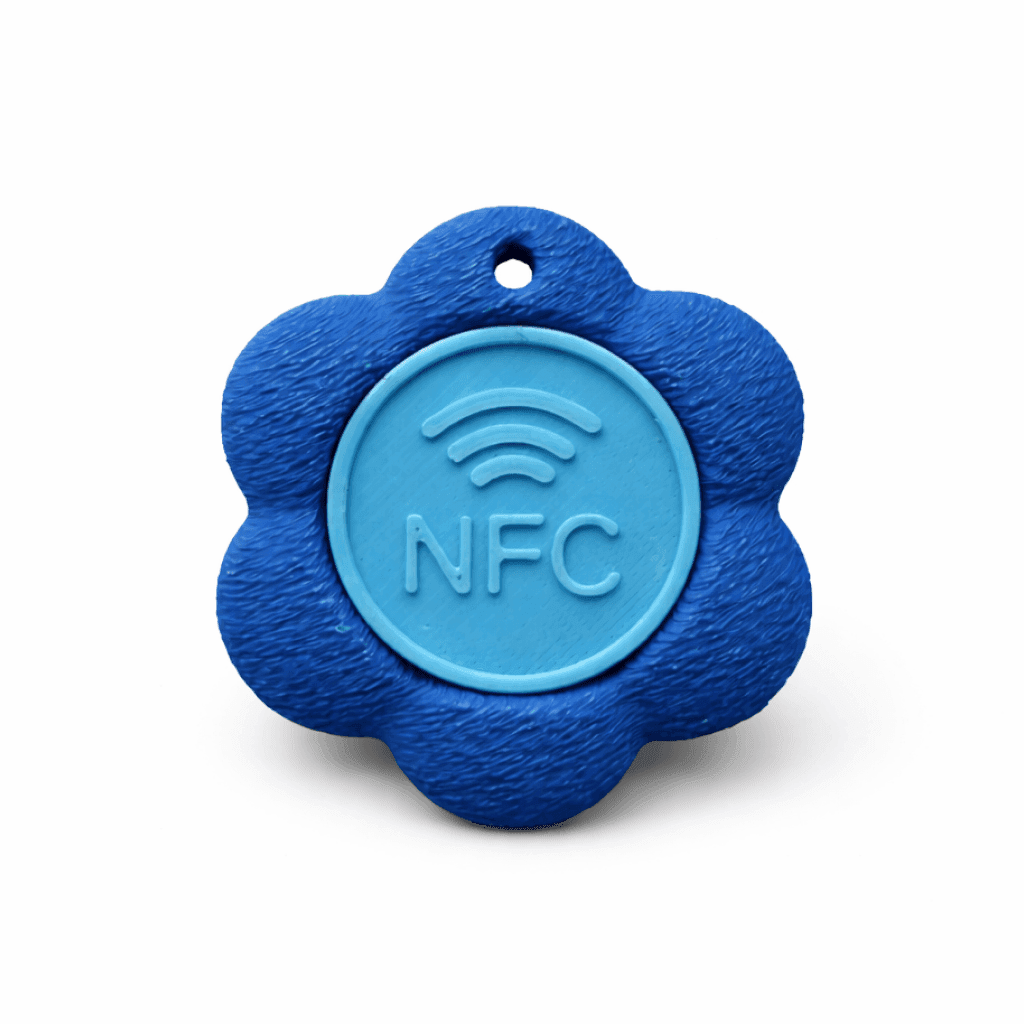
Even the best-trained dog can slip out once. When that happens, visible identification is what gets them home. A traditional engraved tag with your phone number is the bare minimum. Microchipping adds a permanent backup that shelters and vets can scan. And newer smart tags — like Bloomtag's NFC flower tags — let anyone with a smartphone tap the tag and instantly see your contact details, no app or account required. Layering these methods together means that whoever finds your dog has multiple ways to reach you fast.
Build a "Safety Net" Routine
Prevention works best as a system, not a single fix. Make it a household habit: check that doors and gates are closed, leash your dog before opening the front door, and do a quick yard check before letting them out. Keep a recent photo of your dog on your phone so you can share it immediately if they ever do get loose. Register with a lost-pet service like Petco Love Lost or PawBoost ahead of time — setting things up during a calm moment is far easier than scrambling during a panic.
The Bottom Line
Stopping your dog from running away comes down to understanding why they want to leave, removing the opportunity, and having a backup plan for the times when life doesn't go as planned. A secure yard, solid training, daily exercise, and reliable ID together create a safety net that keeps your dog where they belong — with you. If your current tag setup could use an upgrade, take a look at Bloomtag for a one-tap ID solution that works the moment someone finds your dog.