Spring is here, trails are calling, and your dog is already staring at the door. Hiking with your dog is one of the most rewarding ways to bond, exercise, and explore together — but hitting the trail without preparation can turn a great day into a stressful one. Whether you're planning a quick nature loop or a full-day mountain trek, here's everything you need to know to keep your dog safe, happy, and trail-ready in 2026.
Make Sure Your Dog Is Trail-Ready
Not every dog is built for a backcountry adventure right out of the gate. Before you lace up your boots, check in with your vet — especially if your dog is young, senior, or a breed that's prone to joint issues or overheating (think brachycephalic breeds like Bulldogs and Pugs).
Start with shorter, easier trails and build up distance gradually. A dog who only walks around the block isn't ready for a ten-mile ridge hike. Watch for signs of fatigue like excessive panting, slowing down, or lying flat and refusing to move. Your dog won't tell you they've hit their limit, so it's your job to notice before things go wrong.
Make sure vaccinations are current, and talk to your vet about tick and flea prevention before heading into wooded or grassy areas. Lyme disease and other tick-borne illnesses are a real risk on the trail, and 2026 tick season is expected to be particularly active due to mild winter conditions across much of the country.
Pack the Right Gear for Your Dog
You wouldn't hike without water and snacks — your dog shouldn't either. Here's a quick packing checklist for every dog-friendly hike:
- Water and a collapsible bowl. Dogs dehydrate faster than you'd think, especially on warm days. Bring more water than you expect to need and offer it every 15–20 minutes on strenuous hikes.
- Leash (6 feet max). Most trails require leashes, and even on off-leash trails, wildlife encounters can turn dangerous fast. A standard six-foot leash gives your dog room to explore without losing control.
- Dog-specific first aid supplies. Bandages, antiseptic wipes, tweezers for ticks, and styptic powder for nail injuries. Trail debris like sharp rocks and thorns can cause paw cuts that need immediate attention.
- Paw protection. Hot rocks, rough terrain, and sharp gravel can damage paw pads. Dog boots or a paw wax balm add a layer of protection on harsh trails.
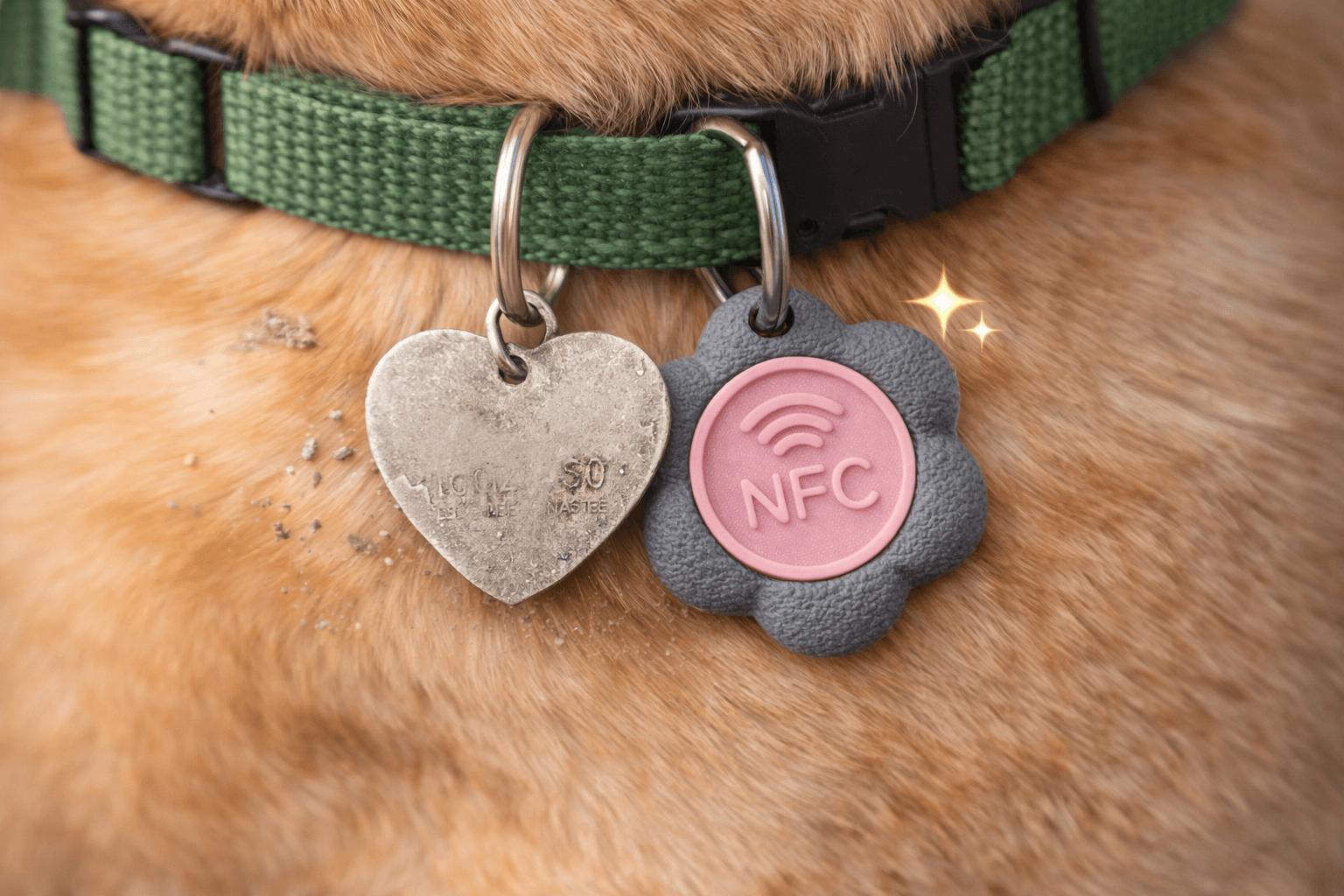
- Up-to-date ID. This one is critical. If your dog slips their leash or bolts after a squirrel on an unfamiliar trail, visible identification is the fastest way to get them home. A tag with your phone number is essential — and smart tags like Bloomtag make it even easier, since anyone who finds your dog can tap the NFC tag with their phone and instantly see your contact info without needing an app.
Stay Safe on the Trail
Once you're out there, a few simple habits go a long way toward keeping your hike incident-free.
Stick to dog-friendly trails. Not all parks and preserves allow dogs. Check trail regulations before you go — many national parks ban dogs on trails entirely, while state parks and local preserves are often more welcoming.
Watch the temperature. Dogs overheat much faster than humans because they can't sweat the way we do. On warm days, hike early in the morning or late in the afternoon. If your dog starts panting heavily, drooling excessively, or stumbling, stop immediately, get them into shade, and offer water. Heatstroke in dogs can escalate quickly and become life-threatening.
Keep your dog away from standing water. Ponds and puddles on trails can harbor bacteria like leptospirosis or toxic blue-green algae. Stick to flowing streams if your dog needs to cool off, and always bring your own water supply.
Watch for wildlife. Snakes, porcupines, and even other dogs on the trail can pose threats. Keep your dog close, and if you spot wildlife ahead, calmly leash up and give the animal space to move on.
Post-Hike Care Matters Too
The hike doesn't end when you reach the car. Do a full body check when you get home — run your hands through your dog's coat and check between toes, inside ears, and around the neck for ticks, burrs, and foxtails. These can embed quickly and cause infections if missed.
Rinse muddy paws and check paw pads for cuts or raw spots. If your dog was swimming or got wet on the trail, a bath helps prevent skin irritation and removes any allergens picked up along the way.
Keep an eye on your dog for the next 24 hours. Limping, excessive lethargy, or loss of appetite after a hike could signal an injury or illness that wasn't obvious on the trail.
Hit the Trail With Confidence
Hiking with your dog should be fun — not stressful. A little preparation goes a long way: check your dog's fitness, pack the essentials, and stay alert on the trail. And make sure your dog is always wearing visible, up-to-date identification, because the unexpected can happen even on familiar paths.
A Bloomtag smart pet tag is one of the simplest ways to keep your dog protected on every adventure. One tap from any smartphone brings up your contact details instantly — no app, no subscription, just peace of mind clipped to your dog's collar. Grab one before your next hike and enjoy the trail knowing your pup is covered.