You're walking through your neighborhood when a friendly but clearly lost dog trots up to you. Or maybe you spot one wandering near a busy street. Your heart says "help" — but what should you actually do? Finding a lost dog is more common than people realize, and the steps you take in the first 30 minutes can make the difference between a quick reunion and a heartbreaking outcome.
This 2026 guide walks you through exactly what to do if you find a lost dog, from the first careful approach to handing them safely back to their owner.
Step 1: Approach Slowly and Carefully
Even the friendliest-looking lost dog can be scared, injured, or unpredictable when separated from their owner. Before you do anything else:
- Stop and observe. Is the dog limping? Growling? Backing away? A wagging tail doesn't always mean it's safe to approach.
- Get low and turn sideways. Avoid direct eye contact, which can feel threatening. Crouch down, speak softly, and let the dog come to you.
- Offer the back of your hand. If they sniff and stay relaxed, you can gently pet under the chin — not on top of the head, which startles many strays.
- Don't chase. Chasing can drive a panicked dog into traffic. Sit down, look away, and let curiosity bring them back.
If the dog seems aggressive, injured, or won't let you near them, skip to Step 6 and call animal control right away.
Step 2: Check for ID — Tags, Collars, and Smart Tech
Once the dog is calm with you, look for identification. This is the fastest path to getting them home.
- Traditional engraved tag: Read the phone number and call immediately. Don't text — many lost-pet calls come from numbers the owner doesn't recognize, and a real call feels more urgent.
- Rabies or license tag: These have ID numbers traceable through the issuing vet or municipality. Call the number on the back.
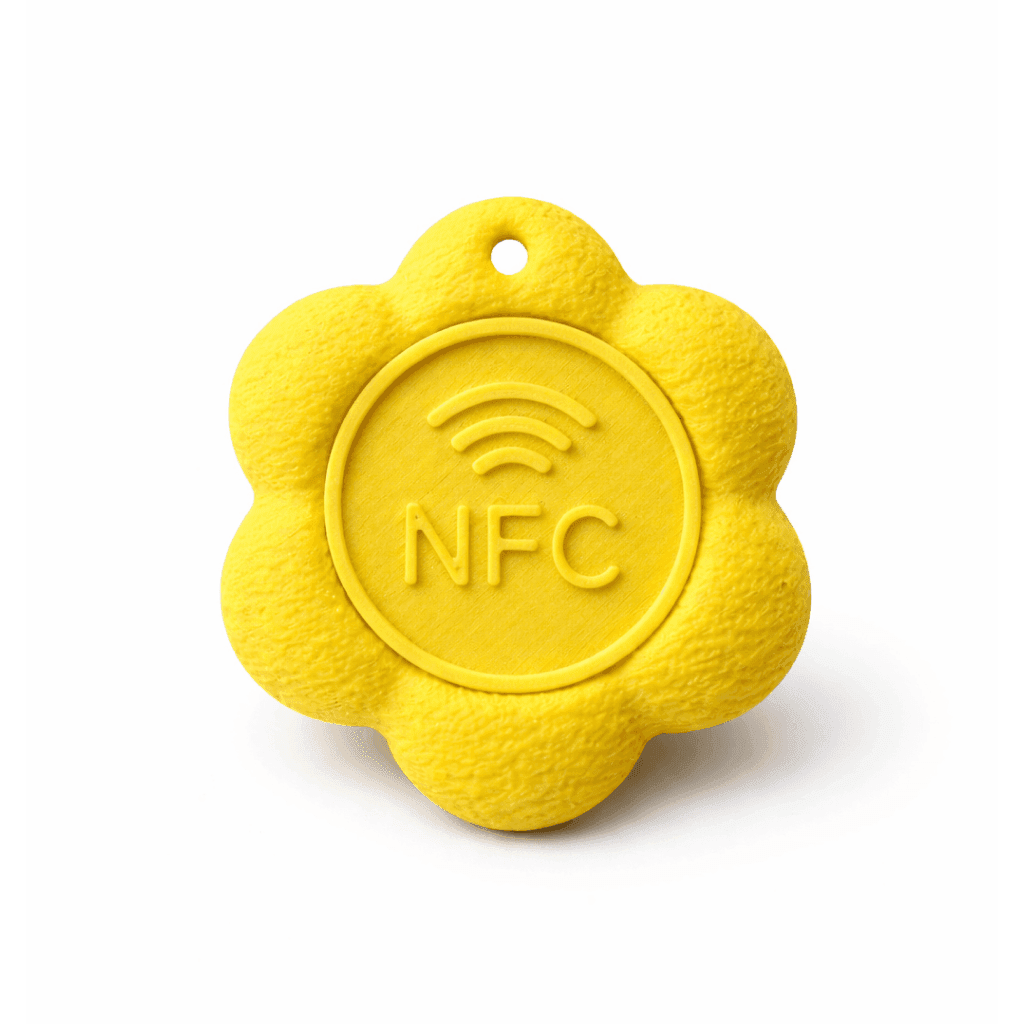
- NFC smart tag (like Bloomtag): If you see a flower-shaped or modern smart tag, just tap it with the back of your smartphone. The owner's contact page opens instantly — no app, no signup, no number to dial. This is one of the biggest advantages of NFC pet tags: any stranger with a phone can reunite the dog in seconds.
No tag? Check the inside of the collar — some owners write their phone number in permanent marker.
Step 3: Secure the Dog Safely
If you can't reach the owner immediately, you'll need to keep the dog safe while you figure out next steps.
- Use a leash if you have one. A belt, scarf, or piece of rope looped through the collar works in a pinch.
- Get them off the road. Move to a yard, sidewalk, or your car if it's safe.
- Don't put a strange dog directly in a car with kids or other pets. Stress plus unfamiliar animals can lead to bites.
- Offer water, but not food. A lost dog may have a sensitive stomach or allergies you don't know about.
If you can't safely contain the dog, that's okay — call animal control and stay nearby until they arrive.
Step 4: Scan for a Microchip
If there's no visible ID, the dog likely has a microchip — over 60% of US dogs do. To check:
- Take them to any vet clinic or animal shelter. Almost all of them will scan for free, no appointment needed.
- Mention it's a found dog. They'll prioritize the scan and call the registered owner directly.
A microchip alone won't get the dog home — but a quick clinic visit usually reunites them within a few hours, as long as the owner kept their contact info up to date.
Step 5: Spread the Word Online
While you're securing the dog or driving to the vet, post on local lost-and-found channels:
- Nextdoor and your neighborhood Facebook group. Lost-pet posts often get hundreds of shares within an hour.
- PawBoost, Petco Love Lost, and your local shelter's "found" page. These are the first places worried owners check.
- Take a clear photo. Front-facing, full body, with any tags or distinctive markings visible.
- Don't share the exact location publicly. Scammers sometimes try to claim dogs that aren't theirs. Ask anyone who reaches out to describe the dog in detail before meeting up.
Step 6: When to Call Animal Control
Call your local animal control or non-emergency police line if:
- The dog is injured or visibly sick
- The dog is aggressive or you can't safely contain them
- You can't keep the dog overnight and no shelter is open
- It's been more than 24 hours with no owner contact
Most shelters will scan for chips, hold the dog for a legal stray period, and post them on their found-pets page — giving the owner another channel to find them.
A Lost Dog's Best Friend Is Visible ID
The single biggest factor in fast reunions isn't a microchip, an AirTag, or a GPS collar — it's whether someone like you can immediately see how to contact the owner. A tag any stranger can read, tap, or call within 30 seconds is what actually brings dogs home.
That's why we built Bloomtag — a flower-shaped NFC pet tag that anyone can tap with their phone to instantly see the owner's contact page. No app, no subscription, $24.99 once. Available in five colors with free worldwide shipping.
If you've ever helped a lost dog, you know how stressful it is when there's no clear way to reach their owner. Make sure your own dog never puts a kind stranger in that position.