Hiring a dog walker should buy you peace of mind, not anxiety. But the truth most owners only learn the hard way: the highest-risk moment in a dog's day isn't a vet visit or a long car ride — it's the 30 seconds between your front door and the sidewalk, in the hands of someone who doesn't yet know your dog. A clear dog walker checklist for owners closes that gap.
Most "dog walker lost my dog" stories trace back to the same handful of misses: a collar one notch too loose, a back gate that doesn't fully latch, a reactive dog whose triggers nobody flagged. None of these are walker failures — they're communication failures. This 2026 dog walker checklist is what to share before the leash leaves your hand.
Start with ID — visible, current, and tappable
Before anyone takes your dog out, look at the collar. Is the ID tag actually readable? Is the phone number still yours? If your dog slips a leash and a stranger finds them three blocks away, the only thing standing between you and a frantic afternoon is what's on that tag.
A modern dog walker checklist for owners should require:
- A flat collar that fits — two fingers under, not three
- A current ID tag with your cell number (not just a name)
- Microchip registered to your real address and number
- A backup contact if you'll be unreachable during the walk
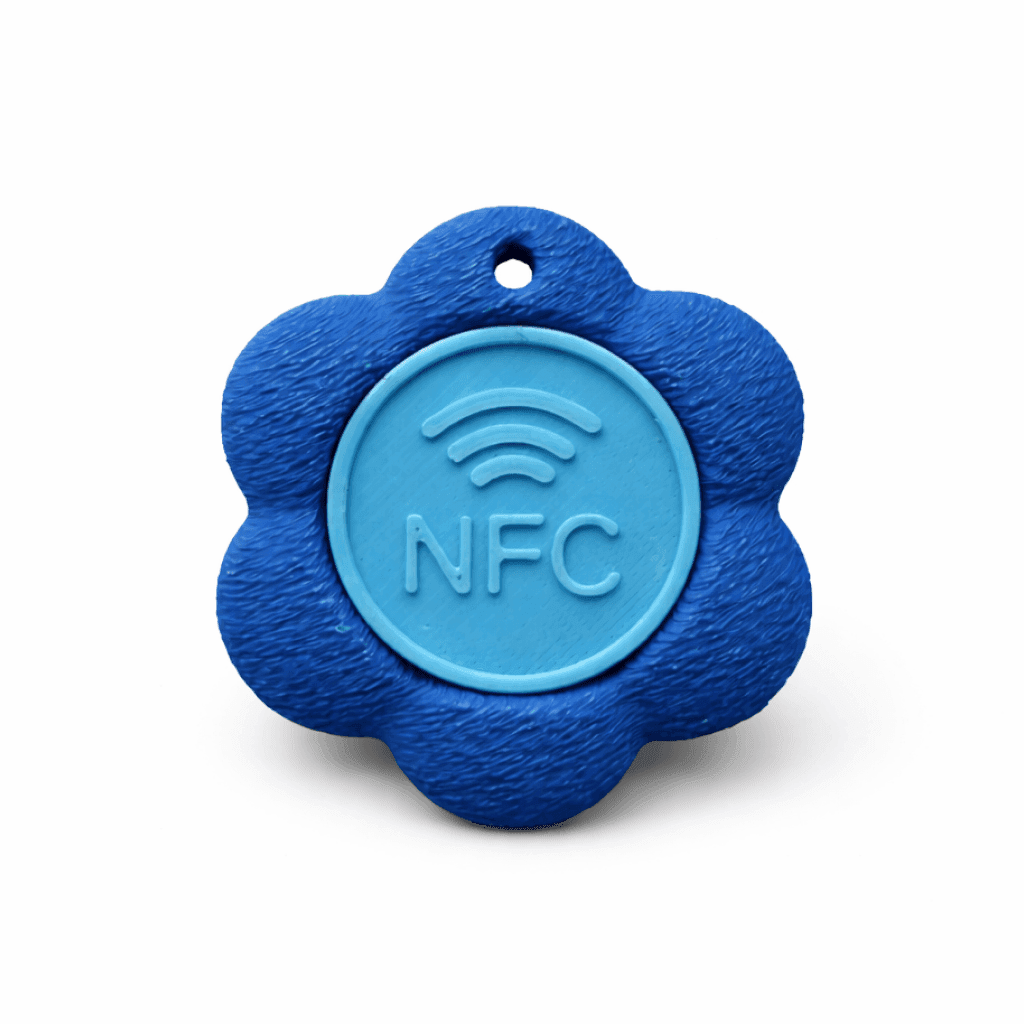
This is the easiest place to upgrade. A Bloomtag NFC pet tag lets anyone with a smartphone tap your dog's tag and instantly open a contact page — no app, no engraving to wear off, no phone numbers to squint at. It's $24.99, one-time, and works whether your walker is a longtime pro or a brand-new sitter who's never met your dog.
Flag the escape risks honestly
Walkers can't manage risks they don't know about. Before the first walk, tell yours:
- Has your dog ever slipped a collar or harness? Which one?
- Are they a door-darter? A car-chaser? A squirrel obsessive?
- Do they bolt at thunder, sirens, motorcycles, fireworks, or other dogs?
- Is there a specific street, alley, or off-leash dog they need to avoid?
- How are they on stairs, elevators, lobbies, or apartment hallways?
If your dog is even slightly a flight risk, request a martingale collar or a harness with two attachment points, plus a backup leash clipped to a second ring. A reliable dog walker won't be offended — they'll be relieved you told them.
Spell out leash, gate, and door rules
This is the part of the dog walker checklist for owners that prevents 90% of accidents. Write it down: which leash and harness to use, whether off-leash is ever allowed (almost always: no), the routine for leaving the house (dog sits, door opens, walker steps out first), and the routine for coming back (leash stays clipped until the door fully closes). Flag any gate or door latch that's sticky or loose. If you live in an apartment, add elevator manners, lobby rules, and what to do if the front-desk door is propped open — unsecured exits are responsible for a surprising share of lost dogs each year.
Share the routine — and what "off" looks like
Dogs read consistency. A walker who matches your routine will see warning signs earlier — refusing to walk, sudden limping, excessive panting, or pulling hard toward home. Spell out walk length, pace, treat rules, and what's off-limits (chocolate, grapes, anything off the sidewalk). Ask for a quick photo or text mid-walk for the first few sessions. It's how trust gets built, and how your walker learns your dog's baseline.
Build a one-page emergency sheet
Tape this to the inside of the leash drawer or stick it on the fridge:
- Your full name and cell number
- Backup contact (partner, parent, neighbor)
- Vet name, address, and after-hours number
- Nearest 24/7 emergency animal hospital
- Microchip number and registry
- A note that ID is also on the tag (and how to tap it, if it's NFC)
- Local animal control and shelter number
If your dog gets out on a walk, you don't want your walker Googling vets. You want them dialing.
The 30-second pre-walk check
Every dog walker checklist for owners should end with the same ritual the walker performs before opening the door:
- Collar fits — two fingers, not three
- ID tag present, readable, and current
- Harness clipped on both sides
- Leash clipped and tested with a tug
- Phone charged, your number saved
- Back gate visually checked if going out the back
- Treats and waste bags in the pocket
Thirty seconds. That's the whole insurance policy.
Make the next walk safer in five minutes
A great walker is a partner in keeping your dog home. Give them the information they need, upgrade the ID tag your dog wears every day, and the chances of a lost-dog emergency drop dramatically. The Bloomtag NFC pet tag is the easiest part of that upgrade — flower-shaped, waterproof, no subscription ever, and tappable by any smartphone the moment someone finds your dog. Pick a color, share the checklist with your walker, and walk a little lighter tomorrow.